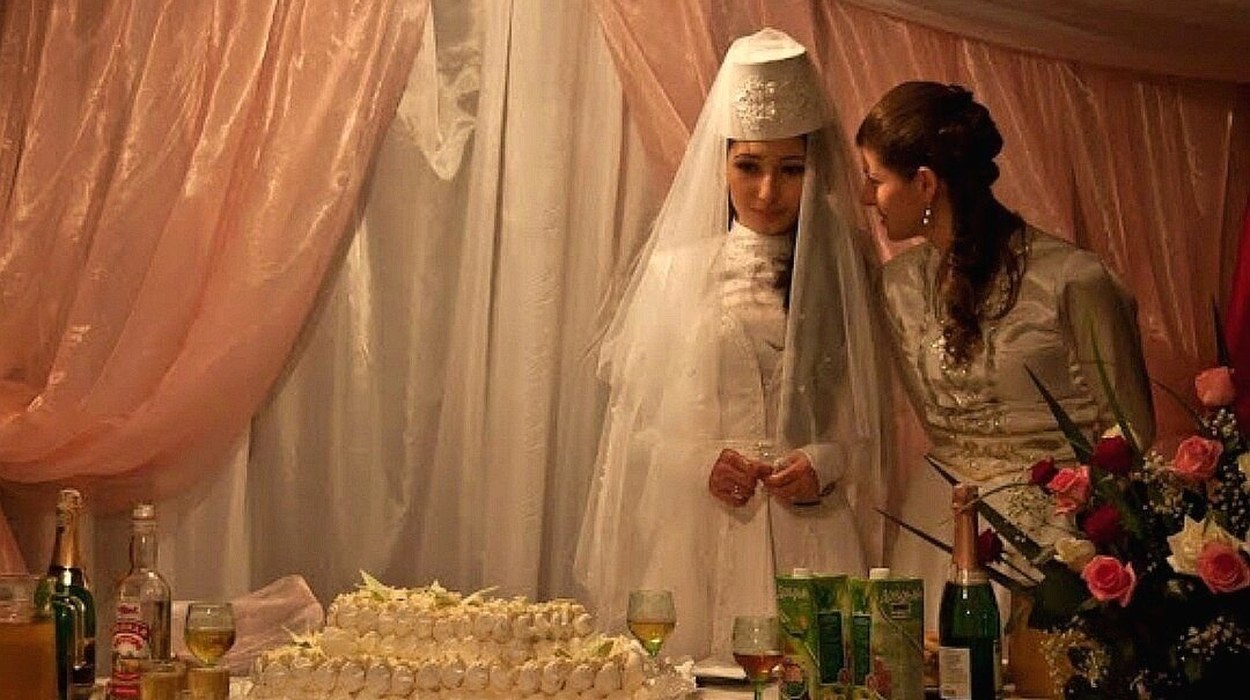
Abkhazia registered 622 marriages and 243 divorces last year, according to a researcher who says the number of weddings has fallen by about a third over the past decade while divorces have risen by 80%.
Amra Tsushba, a researcher at the Centre for Socio-Economic Research in Sukhum, gave the figures in a recent interview. Setting the two numbers side by side, she said around 40% of couples who married had divorced, which she described as one couple in every four.
The two halves of that sentence do not agree. A ratio of 243 to 622 is closer to two in five than one in four. Nor does it measure quite what it appears to: most divorces registered in 2025 ended marriages made in earlier years, so the figure compares two annual totals rather than tracking last year's newlyweds. Whichever way it is read, the direction is plain.
The picture in 2023 was bleaker still. That year, Ms Tsushba said, 642 marriages were registered in Abkhazia and exactly as many divorces. If those figures are accurate, divorces fell by more than 60% in the space of two years, a swing large enough to deserve an explanation from the statistics office.
She suggested the causes lay partly in the state's shortcomings on youth policy and partly in wider social conditions.
Warnings from 2023
The marriage figures add to a picture Ms Tsushba set out three years ago. At a roundtable on Abkhazia's demographic security, held by the Centre in July 2023, she presented a report listing what she called the critical problems facing the republic:
- exceptionally high mortality among working-age men, which drags down life expectancy overall
- a population skewed towards women as a result of that gap
- low birth rates and high infant mortality
- worsening reproductive health among women, and poorer health among new-born babies
- large-scale labour migration that goes unregistered
Official statistics in her report showed 601 fewer births in 2021 than in 2017, while deaths rose by 523 over the same period. Marriages fell by 255 and divorces rose by 23. Over the decade from 2011 to 2021 the population grew by just 3,531 people, and Abkhazians made up 51.3% of the total.
She named the absence of a state demographic programme, weak institutions, depopulation, an ageing population and the decline of the family as the main threats, and set the goal of stabilising the population and creating the conditions for growth by 2025.
That date has now passed. Ms Tsushba also argued that Abkhazia had a limited window in which to act, while people of working and child-bearing age still made up 56.2% of the population. She put it at three to four years, after which the effects of the 'postwar demographic pit', the shortfall in births during and after the war of 1992 to 1993, would become increasingly felt. On her own timetable, the window closes by 2027 at the latest.
Repatriation
The report also covered the return of compatriots. Between 2017 and 2021, 977 people returned to Abkhazia, and the Repatriation Fund received 758.3 million roubles over the same period. Of that, 379.2 million went on housing for returnees, 83.4 million on material assistance and 44.4 million on administration.
Those three items add up to about 507 million roubles, leaving roughly a third of the fund's income unaccounted for in the figures presented. Administration alone cost more than half as much as the direct aid paid to returnees.
Returnees themselves cited the language barrier, difficulty settling in, problems with documents and a lack of jobs as their main obstacles.
Born in Sochi
Bella Pilia, head of the maternity unit at the Republican Hospital, told the roundtable that the birth figures were themselves incomplete, because they counted only children born inside Abkhazia.
She estimated that about 30% of local mothers, most of them Abkhazian, now give birth in Russian clinics, often in Sochi. 'It's becoming trendy and prestigious,' she said. 'As a result, we're missing a lot of statistical data.'
New mothers in Russia receive a generous package of social support, she said, and all the paperwork is handled in the maternity hospital. Because Russian maternity units are funded according to the number of births they handle, 'they're competing for every one of our women'.
'Unfortunately, we don't have that,' she said, calling for a system to record such births.
The undercount cuts both ways. Abkhazia's birth rate may be less dire than the official figures suggest, but nearly a third of families with the means to choose are choosing to go elsewhere for the start of their children's lives. For a country whose demographic hopes rest on persuading people to stay, return and raise families at home, that is a statistic in its own right.